
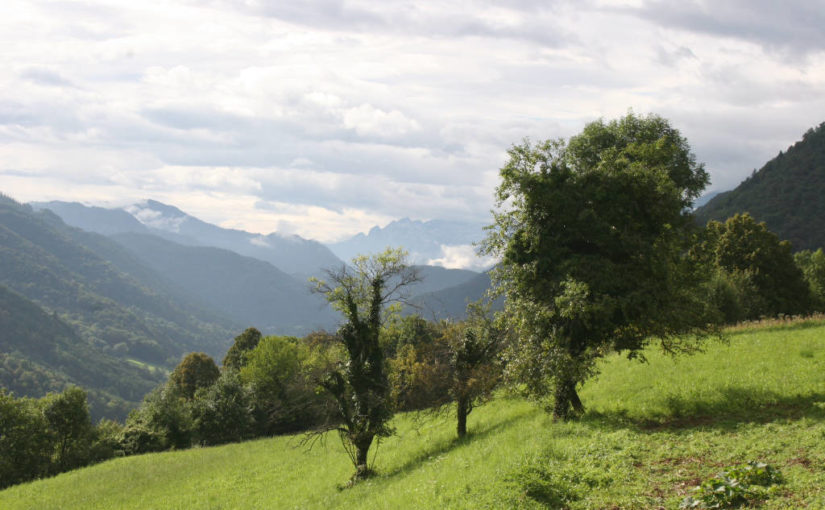
“We bought a castle.”
This is what an American family told me 12 years ago when they contacted me to help them set up a self-sufficient property they’d just bought… on a mountainside… in Slovenia.
It had a small castle they were planning to restore, breathtaking views, and a pipe-dream of living sustainably there.
They were weeks away from relocating their family from the States.
What I told them made them wish they’d called me before they signed the papers.
The Most Expensive Mistake You Can Make
The slope was north-facing, which in the northern hemisphere is a bad thing. Cold, dark, and largely unproductive for growing food.
They thought a greenhouse would fix it. It wouldn’t.
I gave them the bad news.
They sold at a significant loss and bought in Costa Rica instead.
It’s a story I’ve seen play out in different forms more times than I’d like. People fall in love with a view, a romantic old building, or a dream — and skip the due diligence that would have saved them tens of thousands of dollars and years of frustration.
What Getting It Right Looks Like
Contrast that with some Aucklanders I worked with a few years ago. Same north-facing hillside — but this time in New Zealand, where north-facing is the sunny side. 200 acres in Northland, great water access and good soil. I helped them see what they had and design around it.
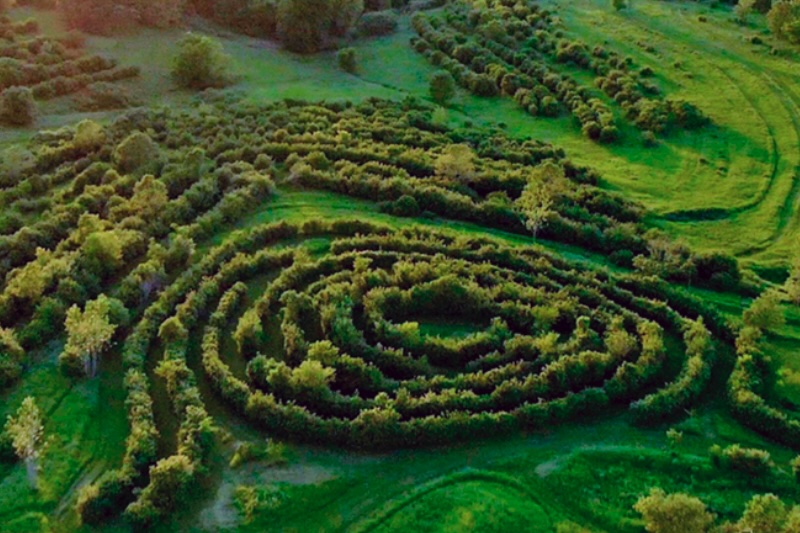
That property and family are thriving today.
The difference between a dream and a money pit often comes down to a few things most buyers never think to check.
What Bill Mollison Taught Me About Buying Land
Bill Mollison, the founder of permaculture, told me years ago: better to buy a blank canvas than a farm set up the wrong way.
It sounds obvious until you’re standing in front of a property with established fruit trees in the wrong spot, fencing laid out for the wrong purpose, and a house built for views rather than warmth. All of it too costly to rip up. All of it working against you from day one.
God forbid the house is in the wrong spot.
What I Look For When Evaluating a Self-Sufficient Property in New Zealand
After years of consulting on lifestyle and permaculture properties across New Zealand and Europe, here is what I look for before advising anyone to buy:
- Location — not too far from town, but far enough for privacy and quiet
- Size — smaller than you think you need
- Water — clean and abundant. Ideally a stream or ponds
- Access — good roading, nothing steep that erodes
- Aspect — north-facing in New Zealand means sunny. A house built just for views is often freezing in winter
- Land use history — clean history means no nasty chemical legacy in the soil
- Soil quality and vegetation — what’s already growing tells you a lot about what’s possible
- Climate — suited to your actual growing goals, not just what looks good on paper
- Neighbours — underrated. Community matters enormously for off-grid living
- Wireless internet — non-negotiable if you plan to work remotely
And read at least one permaculture book before you sign anything.
Thinking About Making the Move?
With energy prices rising and more New Zealanders questioning city life, interest in self-sufficient lifestyle properties is growing fast. The fundamentals of what makes a good property have not changed — but the urgency to get it right has.
Next week I’ll share what life actually looks like on our own off-grid property in Taranaki… the good and the bad.
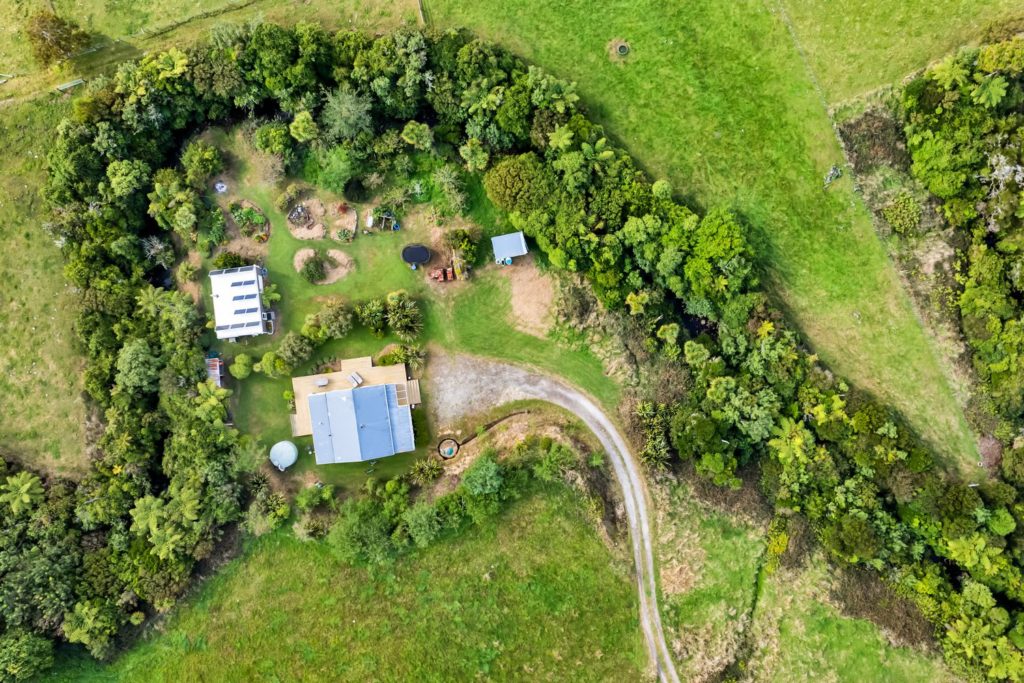
Fraser is the owner of Bliss Box, an organic food delivery service based in Taranaki, New Zealand. He is a certified permaculture designer, teacher and consultant, and former farm manager for Bill Mollison, founder of the permaculture movement.